This Watches & Wonders, Panerai released the Luminor 31 Days, which has a 31-day power reserve. Kind of. You see, the mainsprings inside – two sets of two, to be precise – can contain 35 days of energy. Which poses an interesting question: what happened to the other four days?
The new Panerai intentionally uses only the middle month of days. That’s because of the concept of isochronism, a watch’s ability to keep time consistently and the effect mainspring energy has on that consistency.
Imagine you’re running a marathon. At the beginning, it’s tempting to push the pace and run faster than you should. You get into a groove for most of the race, but as your energy reserves start running out, the pace drops off dramatically. The end result suggests an average time, but the real story is full of ups and downs.
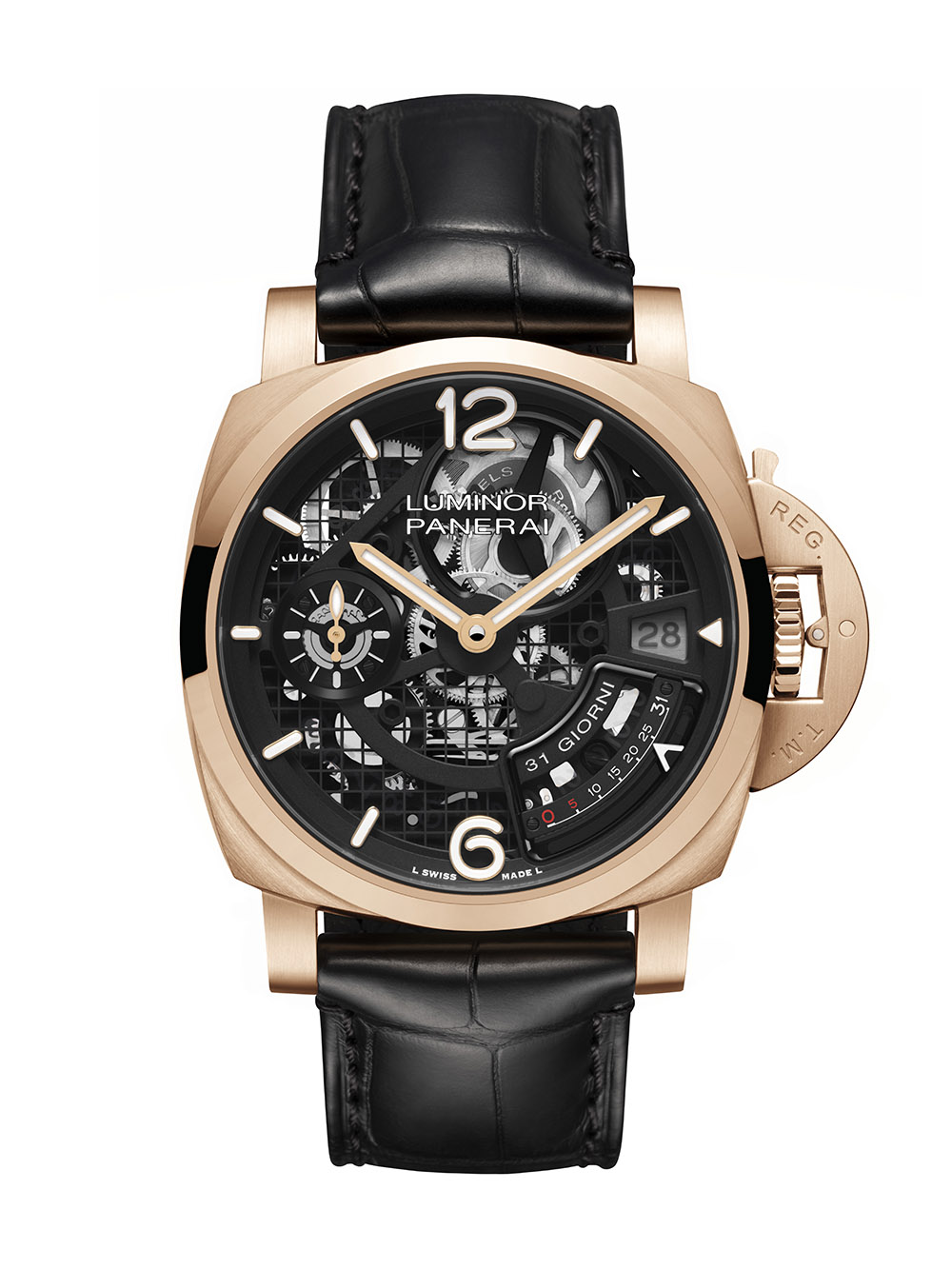
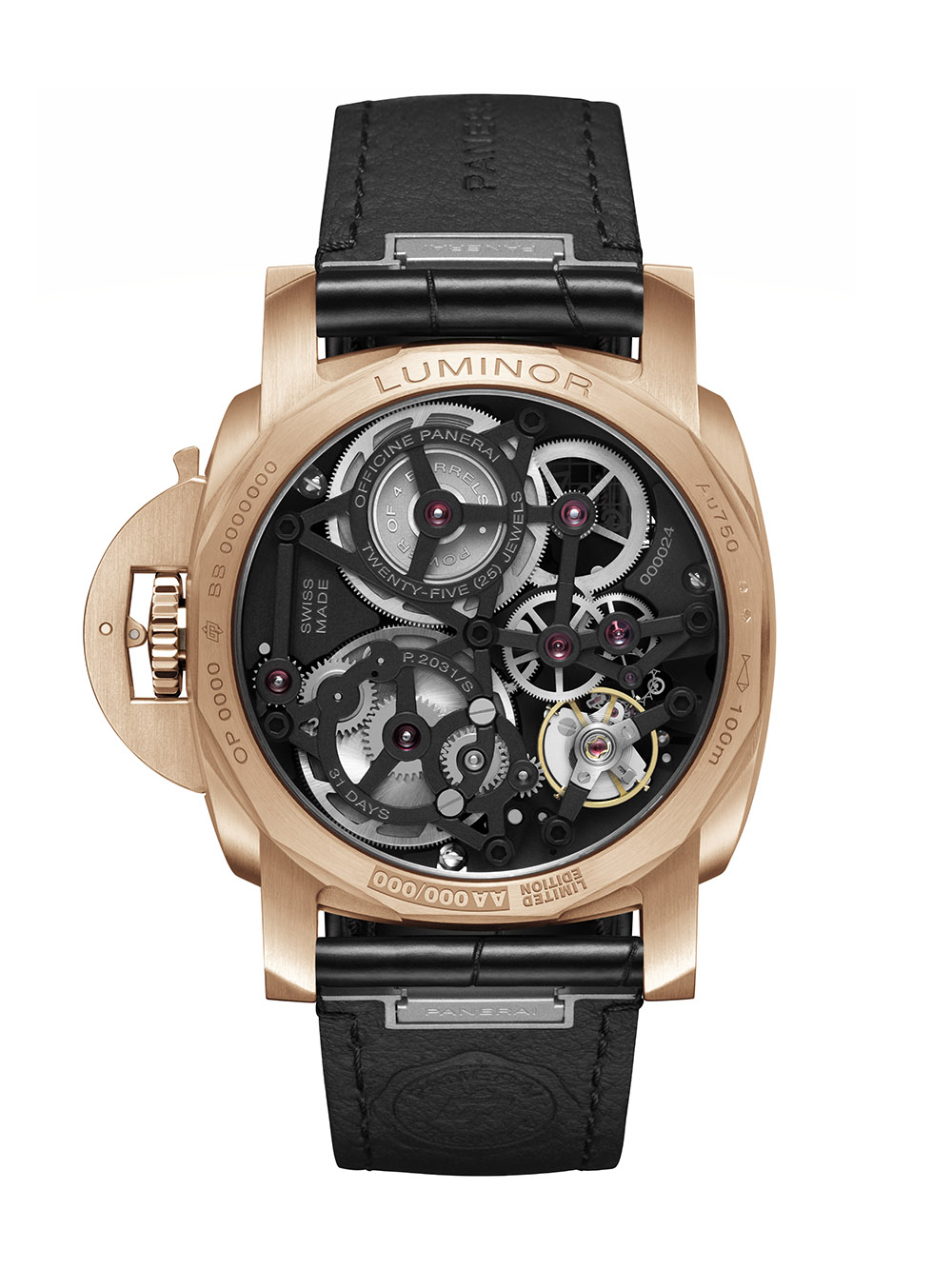
Now rather than the energy stored in a runner’s muscles, think of the energy stored in a watch’s mainspring. The concept is exactly the same. When the spring is fully wound, it wants to push more energy through the movement and the torque between the mainspring and rest of the movement is too high. When power is running low, it doesn’t have enough energy left to give and the torque is too low. Both have negative effects on accuracy, making the movement gain or lose time. This, incidentally, is why so many marine chronometers include power reserve indicators.
This is also why Panerai’s new calibre only takes the middle days, when the mainspring is in that extended Goldilocks zone of energy, generally thought to be the middle 60%. But even then, it’s only a half measure, and there are still minuscule ups and downs, deviations that some watchmakers have taken very, very seriously. Hence the horological idea of constant force.

Put simply, constant force aims to even out the energy output from the mainspring across its power reserve, keeping the same accuracy when fully wound as when near empty. That means evening out the torque between mainspring and the rest of the movement – and there are three main ways that can be done.
The first is similar to Panerai’s method: the Geneva Stopwork. This system simply stops the mainspring being fully wound or fully unwound, stopping the movement if energy gets too low. This means the only timekeeping that happens is in that ideal zone of torque. It’s not used hugely often in modern watches, but a few vintage pieces – such as the writer’s own Jaeger-LeCoultre Futurematic – use it. It doesn’t really solve the problem, but it does mitigate it. That’s where a remontoire comes in.

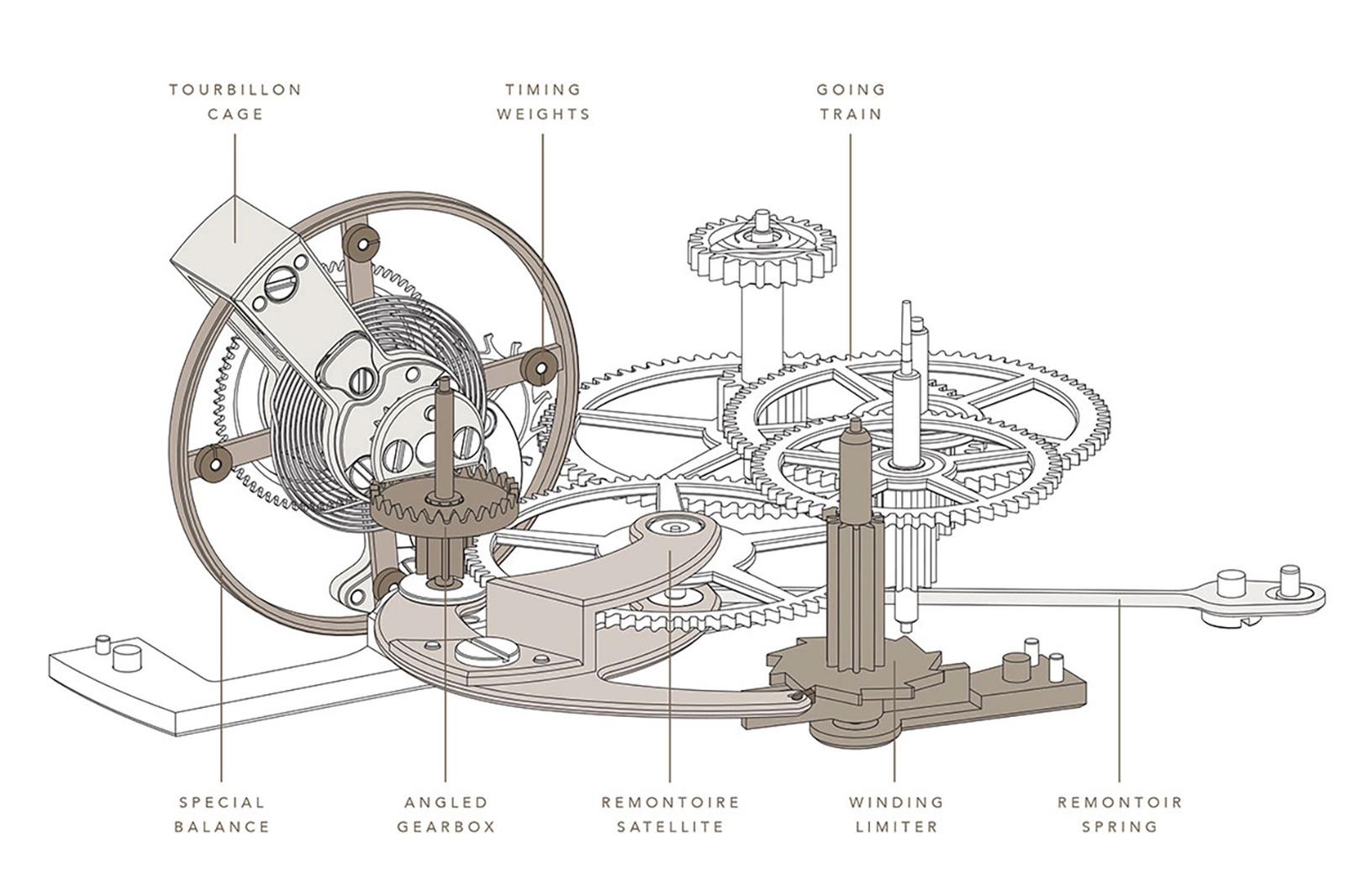
The remontoir d’égalité is a refined solution to the problem. It consists of an additional spring or weight between the mainspring and the balance, as close to the latter as possible. As the energy travels from the mainspring, it actually winds the remontoir. This spring is the only part of the movement that puts energy into the balance and is ‘rearmed’ on a regular basis by the energy running through the gear train from the mainspring.
The idea is that because this spring essentially has a ‘power reserve’ of a second or less, it delivers more consistent impulses of energy to the regulating organ. The general thinking is that the more often it resets, the more consistent the force delivered and thus the better the isochronism of the watch.
The remontoir isn’t a new invention. John Harrison used a version in his famous H4 marine chronometer which, along with other innovations, helped solve the longitude problem. Indeed, you’re more likely to see a remontoir in marine chronometers than a tourbillon. But in modern watchmaking we largely have one horologist to thank: F.P. Journe.
Journe’s Tourbillon Souverain was the first ever series-produced remontoir d’egalité wristwatch, using a bladed spring rather than the previous coiled springs. The fact that it was combined with a tourbillon wasn’t a showpiece; it was the reason for the remontoir. Because of the extra weight of the tourbillon cage, the problems with inconsistent torque were amplified. The remontoir was Journe’s solution to the issue.

Since then, remontoirs have been adopted by Andreas Strehler, Greubel Forsey, Arnold & Son, Grönefeld and even IWC in their Constant Force Tourbillon. As you can see, it’s a rarefied group of watchmakers, illustrating the remontoir’s position in haute horology and constant force watches.
A remontoir of course isn’t the only method of evening out torque. The other is one that’s been around since the 15th century: the fusée and chain. This is a more direct approach to evening out the force running through the movement and essentially acts like a variable gearbox.
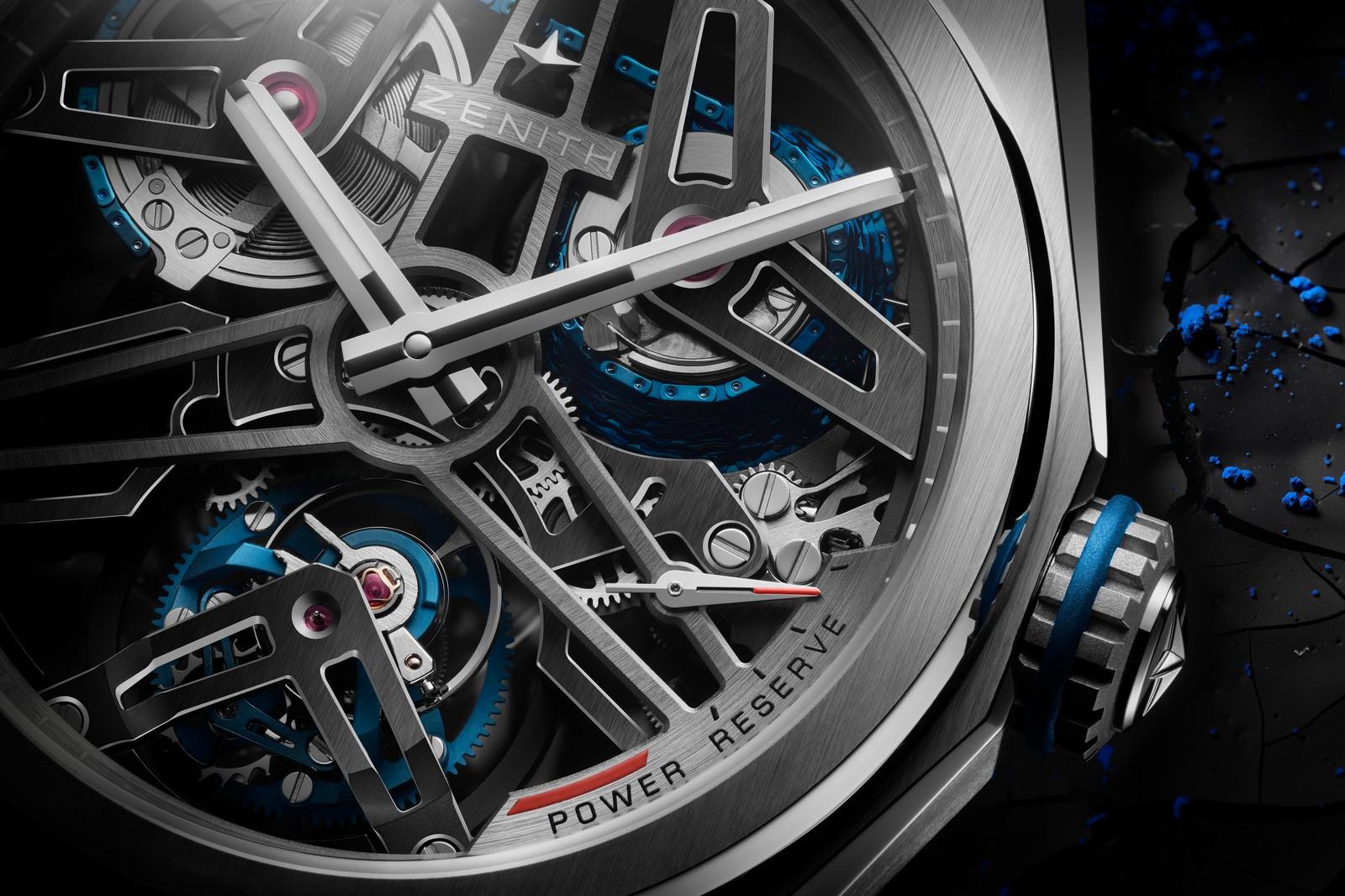
The fusée part of the mechanism is shaped like a cone with a helical groove running up it. The chain is wrapped around this cone in the groove one end, the mainspring at the other. This acts as a lever and, as secondary school physics taught us all, a longer lever means greater energy transmission. When the mainspring is fully wound, the chain is at the narrowest point of the cone, and the lever is shorter and less efficient. When the mainspring is running out of energy, the chain will be at the broadest end of the cone, making it a longer and therefore more efficient lever.
The end result is a flattened curve of energy transmission. It’s completely consistent, unlike the remontoir, which operates in very short bursts. It’s also easier to understand visually than the easily missed remontoir. The downside is that it can’t fully account for a fully wound or almost empty mainspring.
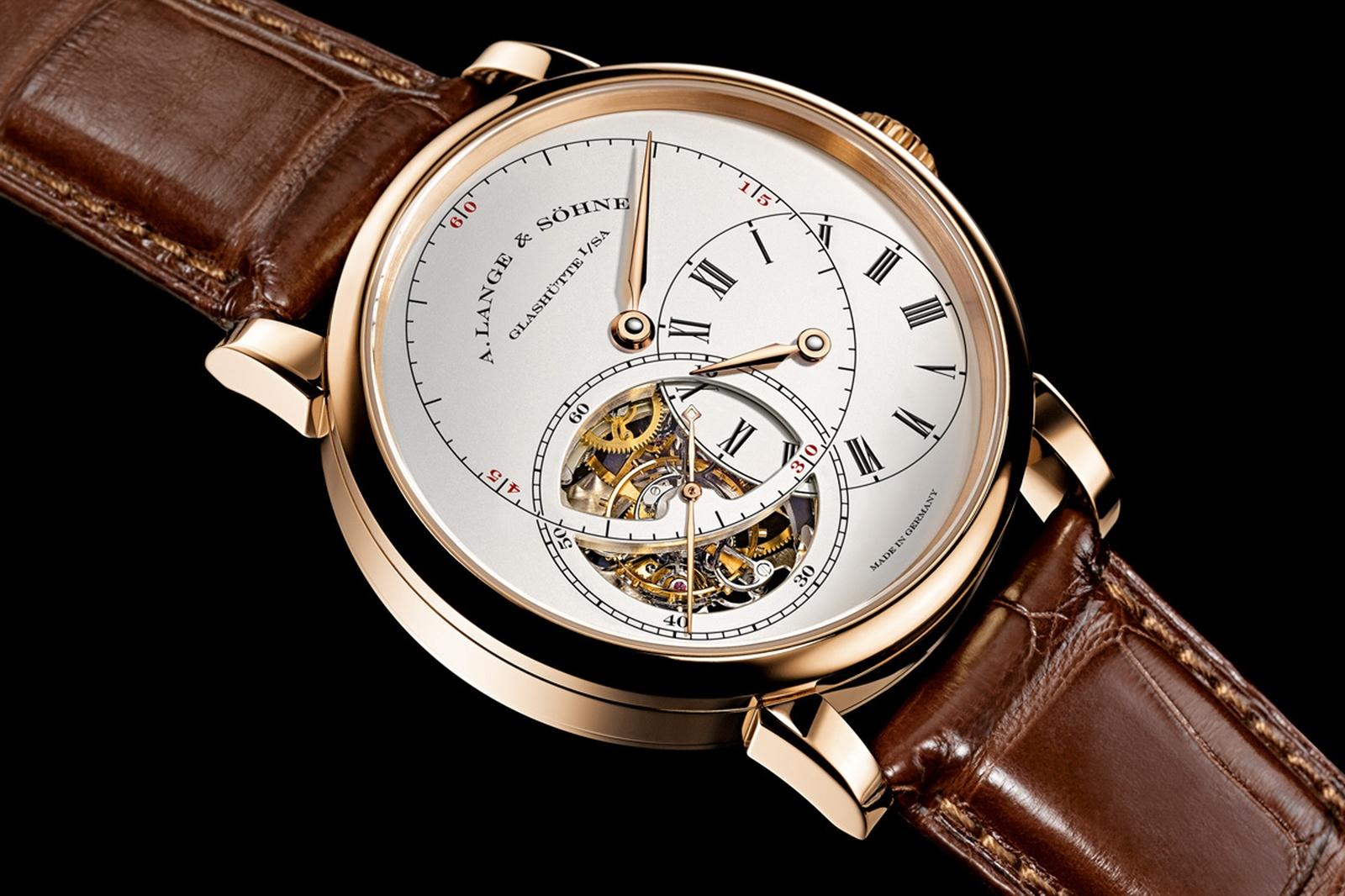
A. Lange & Söhne are a big proponent of the fusée and chain in their Richard Lange Pour le Mérite pieces, which introduced the mechanism to wristwatches for the first time in 1994. Other constant force watches include the Breguet Tradition 7047, the Romain Gauthier Logical One (which includes a ruby-lined chain) and a number of Ferdinand Berthoud models. Perhaps more surprisingly, Zenith have also produced a couple of fusée and chain watches in the Academy Georges Favre-Jacot and Defy Fusée Tourbillon.
There is however one more solution to the constant force problem that’s even rarer because it means rethinking a vital part of the movement. The thing the remontoir and fusée and chain have in common is that they manage the energy between the mainspring and the escapement. But what about if you re-engineered the escapement itself?
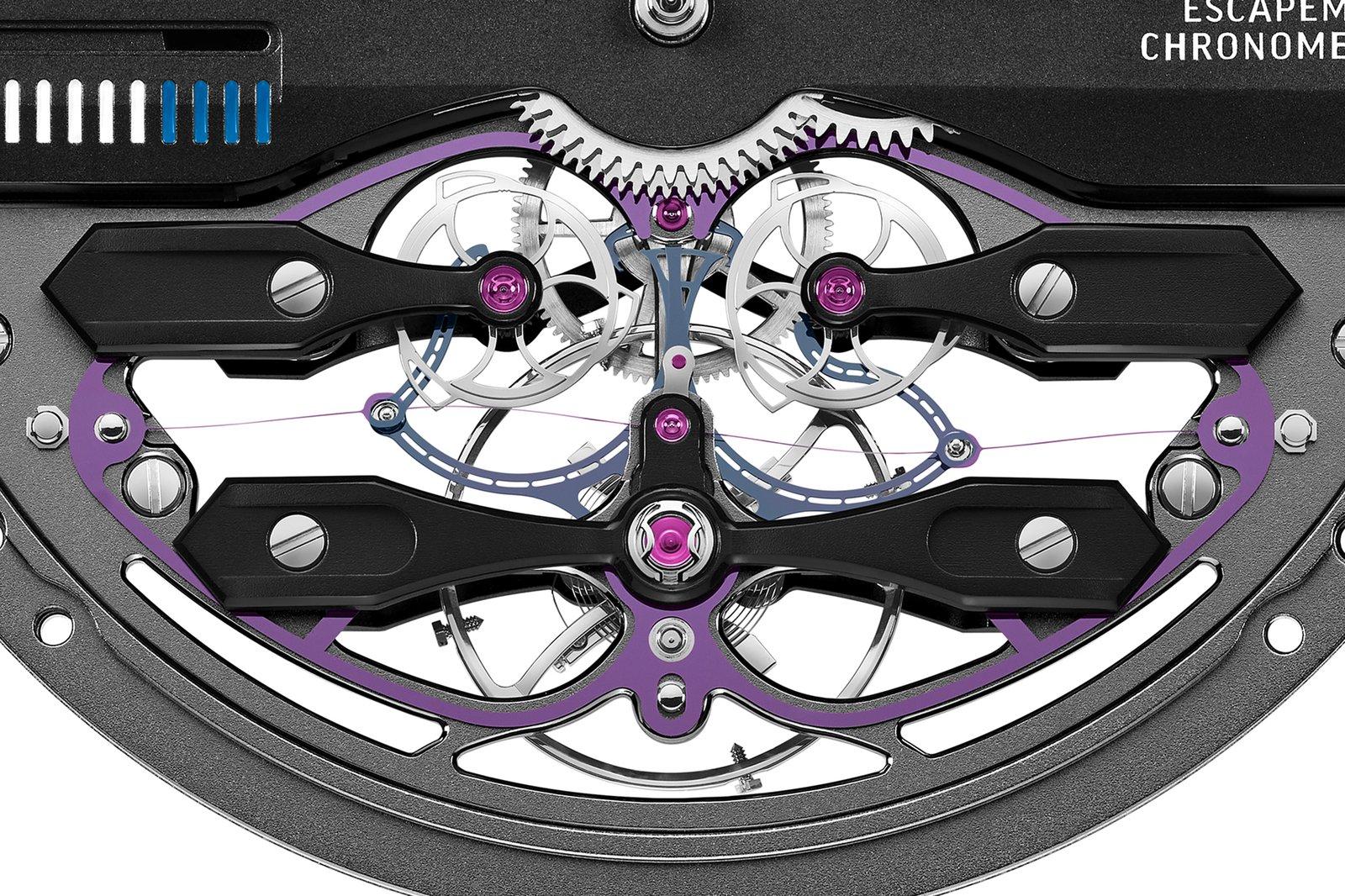
This is a big ask. The escapement itself is the beating heart of the watch and rethinking how it works is to go back to watchmaking fundamentals. But in 2013, that’s precisely what Girard-Perregaux unveiled in the Neo Constant Escapement. This movement used a silicon blade measuring 14 microns thick, which flexed to regulate energy. It was similar in concept to Journe’s remontoir, but built into the escapement itself.
Girard-Perregaux aren’t the only watchmaker to give it a go though. More recently, Breguet began demonstrating their R&D ambitions with the Expérimentale 1, which took an even more cutting-edge approach. Breguet decided on a magnetic escapement that completely decouples the balance from the gear train. This means that there’s no problem with inconsistent torque because there is no torque. There are a host of other benefits to Breguet’s movement, such as allowing a friction-free 10Hz frequency, enough that the constant force isn’t necessarily the key point.

The idea of constant force watches has always been important to watchmaking, albeit an issue that’s hard to wrap your head around. Tourbillons as an idea feel more concrete, and that’s about offsetting gravity. And yet from the first marine chronometer to modern independent maestros, watchmakers have found ever more inventive solutions to creating a constant force through a watch movement. The fact that most of us never even think of the problem they’re solving is simply one of the joys of fine watchmaking.