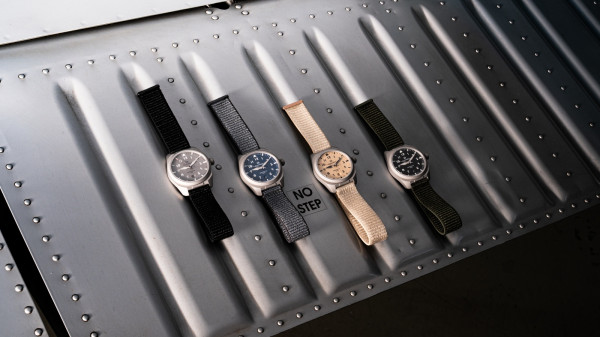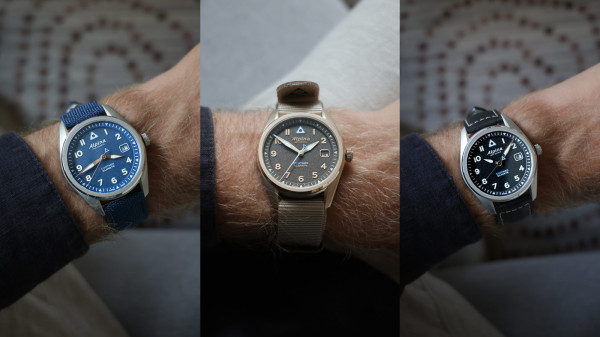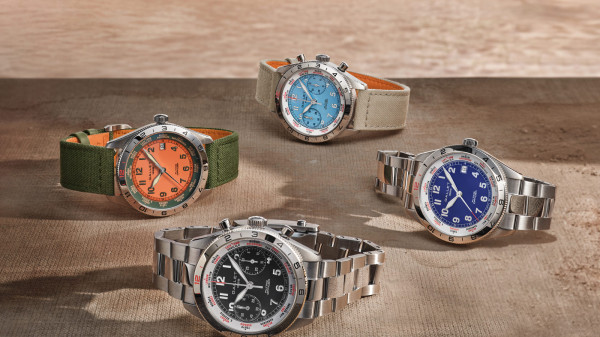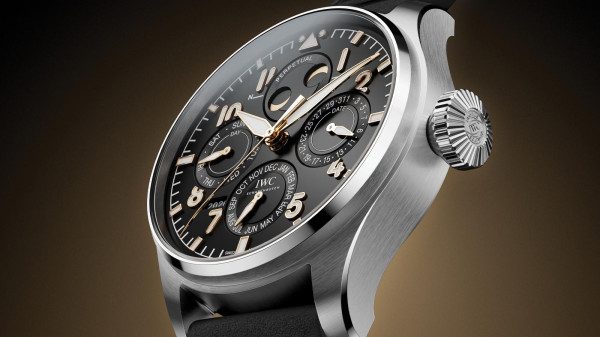
The Sopwith Camel is a legend of wartime aviation. The compact, manoeuvrable dogfighter was responsible for 1,294 Allied victories across World War I. It goes without saying that any brand taking up the Sopwith name therefore has big shoes to fill. It’s a good thing then that Sopwith Watch Company founder Stephen Cox is no stranger to a challenge.
The Texan racing driver, author, television host and mountaineer has tackled all kinds of challenges and at the same time has a deep knowledge of First World War aviation. Pair those two together with a desire to ensure the longevity of the Sopwith name and you have a recipe for success, no matter the odds.
In 1991, Cox established the Sopwith Motorsports racing team; three decades later in 2022, he founded the Sopwith Watch Company and in 2024, he built on that success with the Sopwith Foundry.
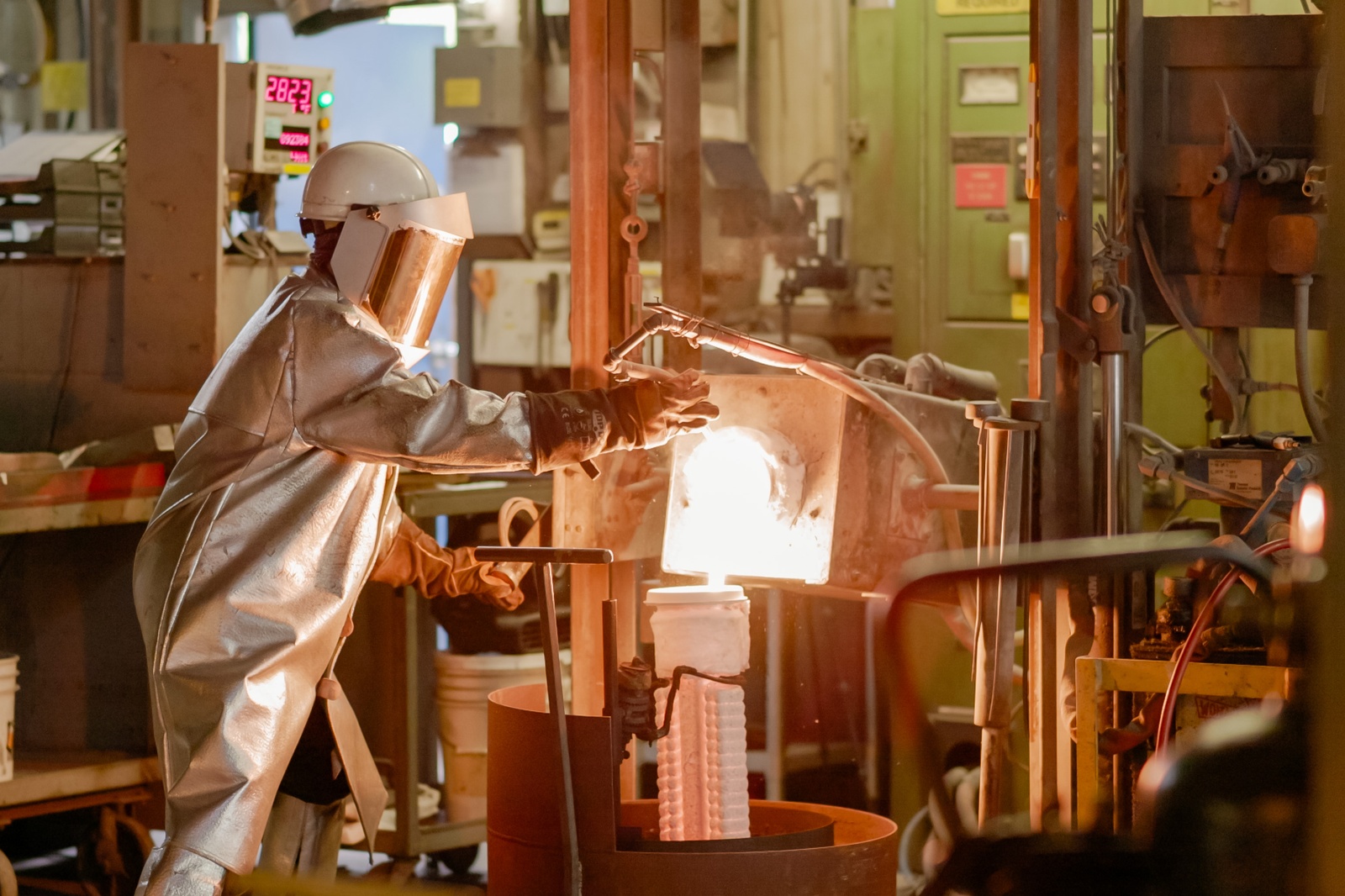
That last word is incredibly important to the brand: foundry. Not manufacture, atelier or countless other horologically-inclined buzzwords, but something that few if any other watchmakers have. That’s because Sopwith cases are different from the rest, necessitating a very different approach, an approach that starts with their cases and specifically what they are made from.
Sopwith Watches aren’t your average pilots’ timekeepers. There are countless watchmakers out there making fantastic fliegers, pilots’ chronographs, jet-set GMTs and more. Instead of simply alluding to stories of daring pilots and aviation excellence, Sopwith watches embody them literally. This means using steel salvaged from vintage planes from across the world, including those that saw action in WWI and WWII.
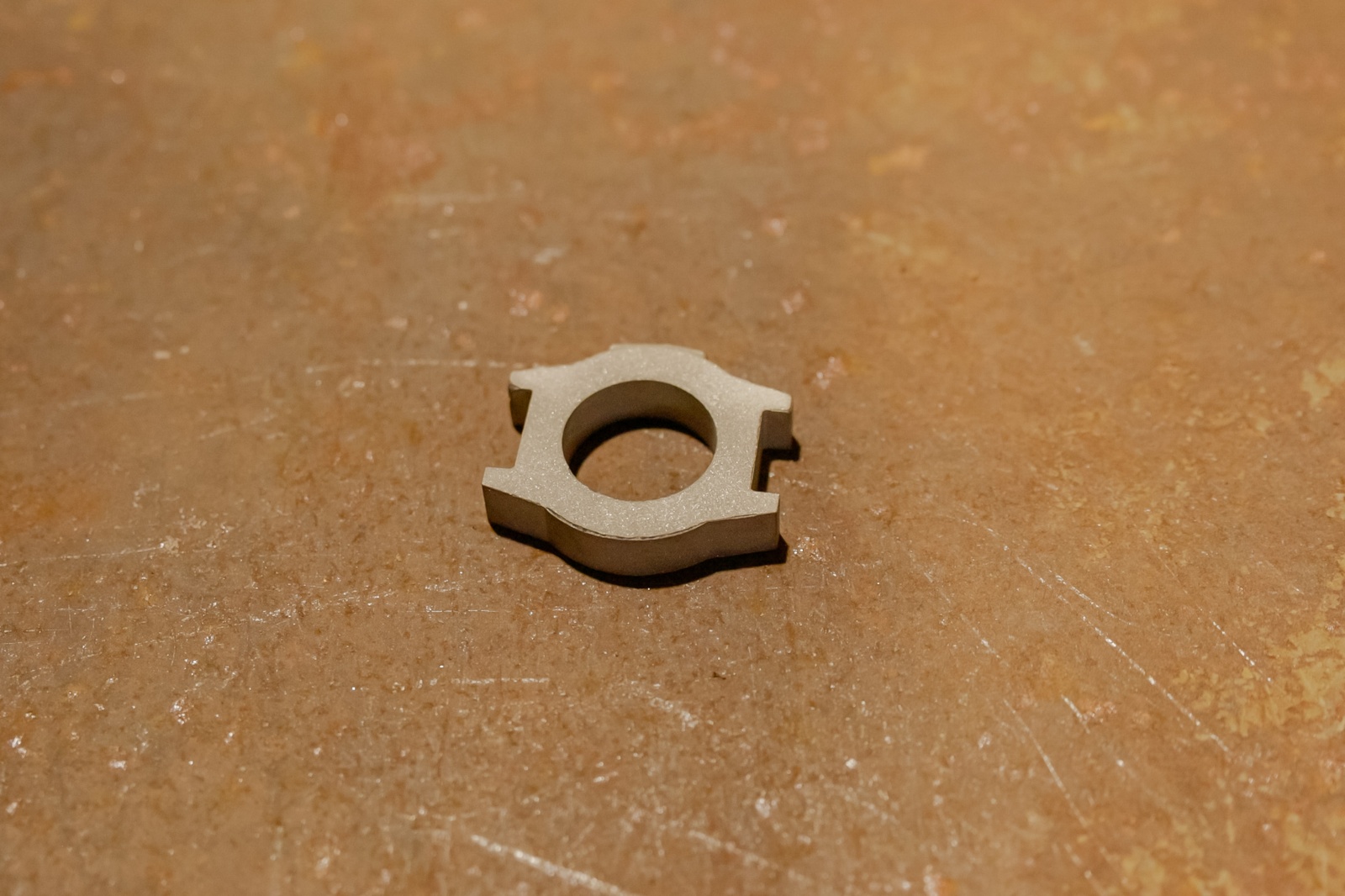
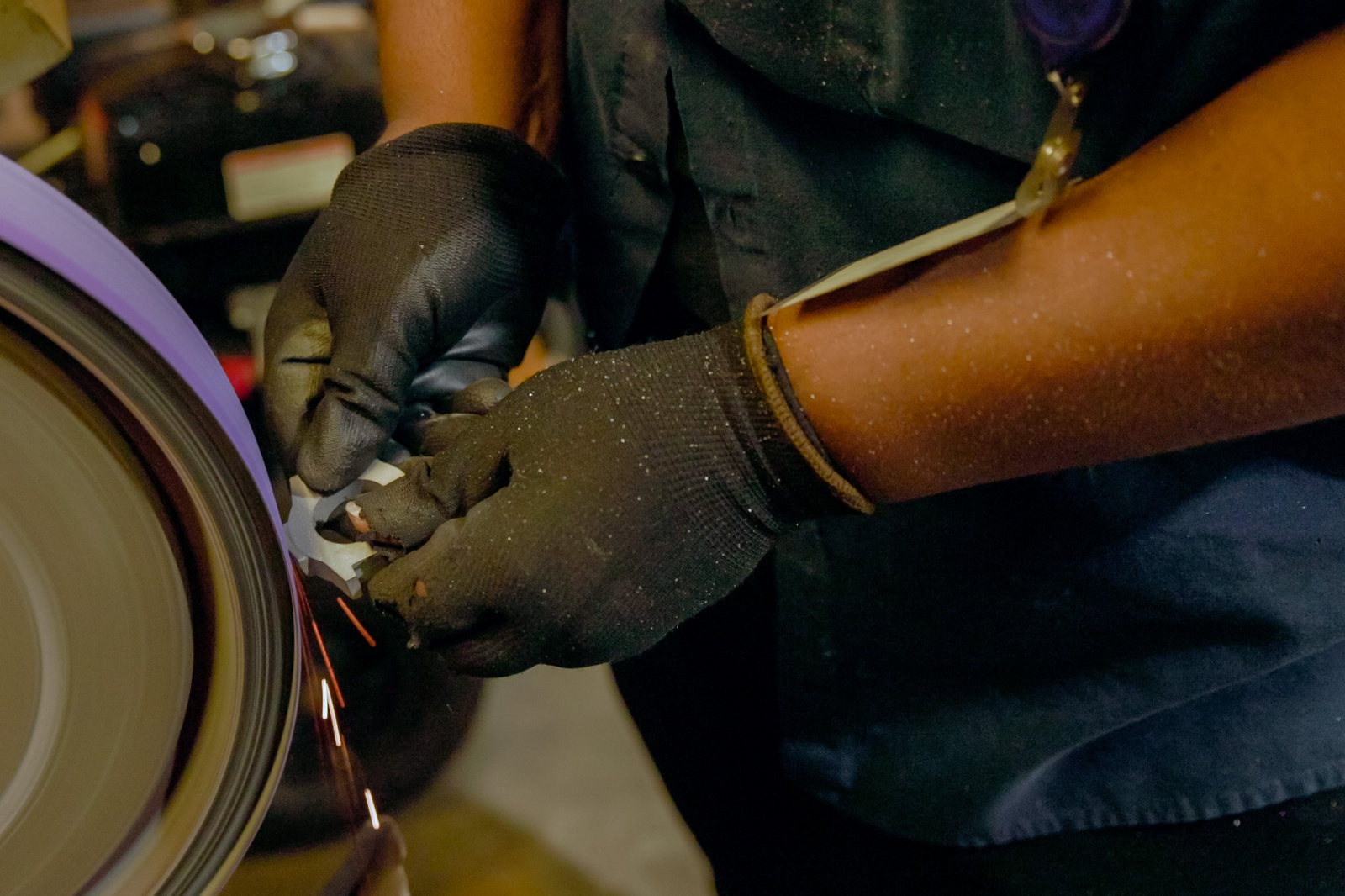
Rather than bulk-ordered, consistent billets of steel ready to be machined into cases and components, Sopwith have no such neatly ordered material. Cox regularly travels the world hunting down historic steel taken from Wartime aircraft, reforging these storied metals into new Sopwith watch cases. This means that no two lots of steel are identical and can’t be treated the same way. And so, the Sopwith Foundry analyses the steel, determines its elemental composition, brings it up to standard if necessary and casts it by hand into cases.
It’s a process that’s impossible to industrialise, necessitating hand-made cases and strict limited editions. When a Sopwith watch is limited to 59 pieces, 55 pieces, 30 pieces, that’s not some numerical tribute to a tenuous marketing point; it’s because that’s all the metal they have. There will never be more steel from a World War II Focke-Wulf Fw 190; this is it.
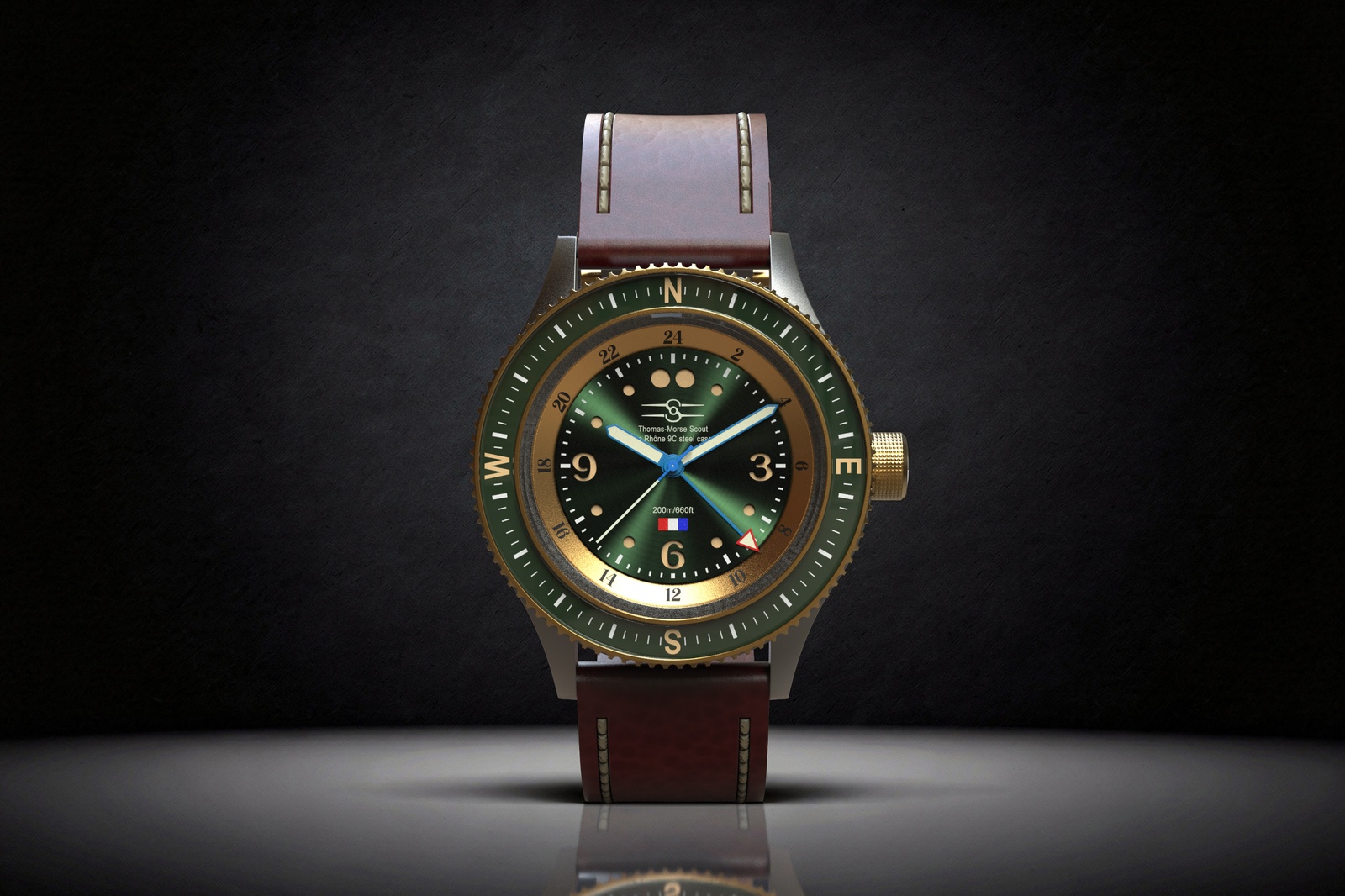
That idea is distilled into Sopwith’s flagship Aero Marquis collection. With its distinctive 41mm salvaged metal case, dial-matched compass bezel and striking 24-hour scale rehaut, it’s not just its material that sets the watch apart but its aesthetics, too. Each is powered by an ETA-based automatic movement with a 42-hour power reserve, protected by 200m water resistance and fit to a cockpit-ready Horween leather strap.

More importantly however, each edition traces not just the plane it comes from, but the specific component. The Messerschmitt Bf 109 Pas-de-Calais comes from the pursuit plane’s bulletproof rear headrest and armoured window frame; the Nieuport 28 takes its steel from the rotary engine of the American Nieuport 28 fighter plane.
It’s this level of specificity that proves Sopwith Watches more than an aviation history tie-in. Yes, the Aero Marquis is an appealing watch on its own merits, but Sopwith as a brand is elevated by becoming the self-mandated torch-bearer for these legendary aircraft, their pilots and the stories that underpin them both.
More details at Sopwith.