
Let me start this article by saying that nothing in this article constitutes financial advice. The world is in a very uncertain economic period with sanctions, tariffs, political instability and more all meaning that market conditions can turn on a dime. That being said, common sense means that most collectors want to shop sensibly and responsibly without throwing money into the wind so it’s always worth trying to make some sense of the madness. So here are some things to consider when investing in watches in 2026.
Primary vs Secondary Market
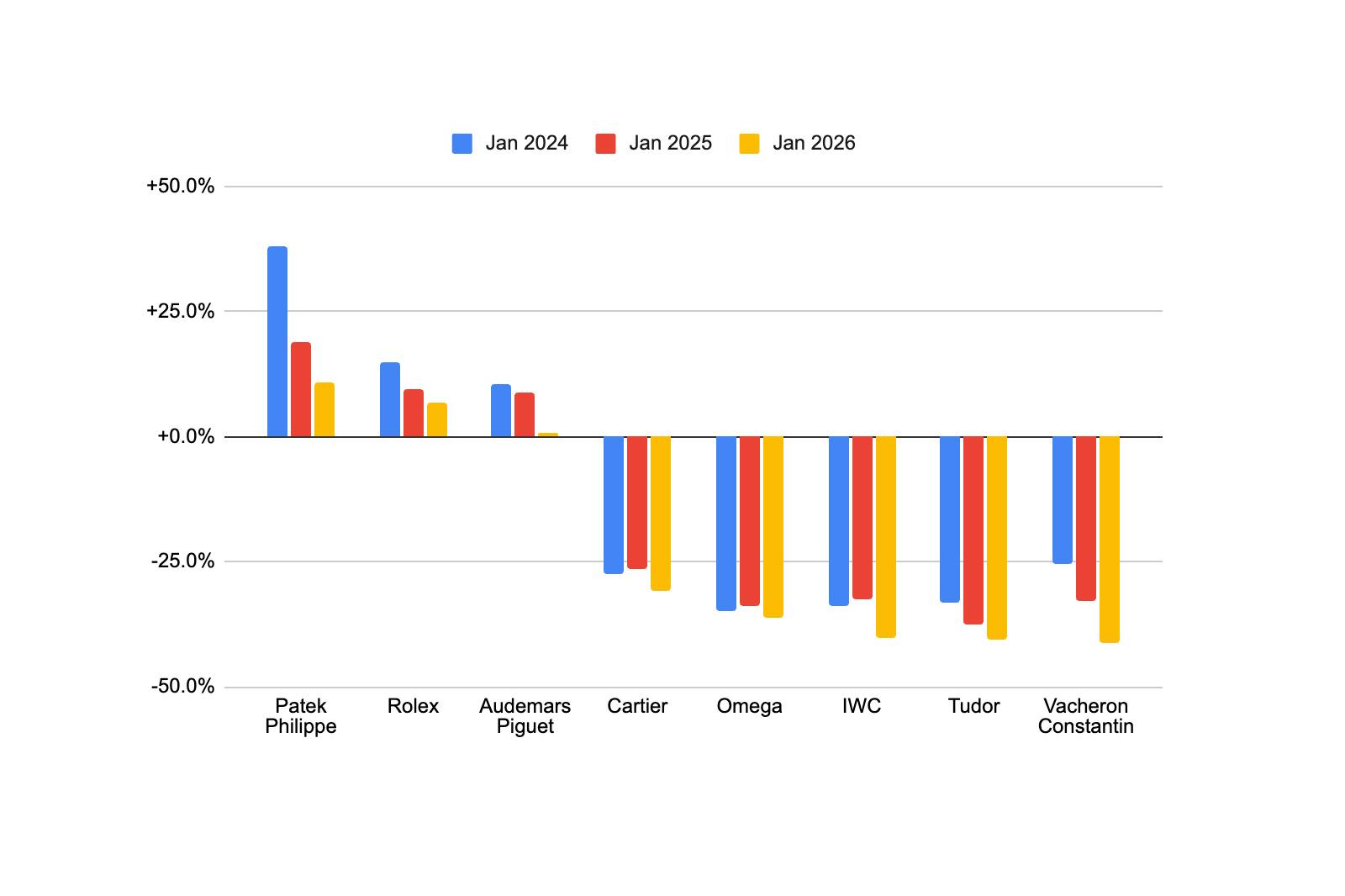
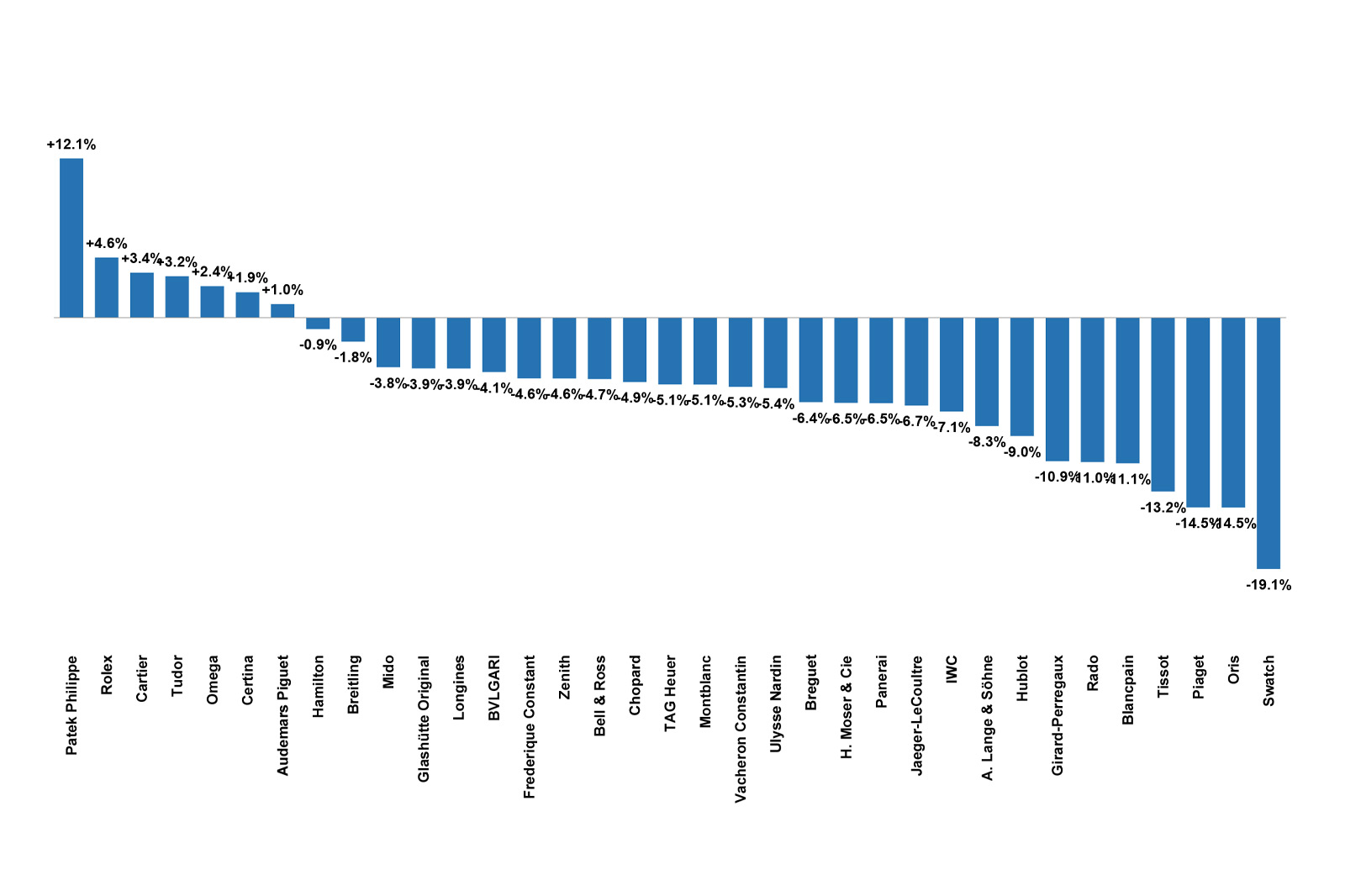
Once upon a time in the heady days of 2021, it was possible to buy a watch at retail and sell it on for a substantial increase on the secondary market. That’s not the case anymore for the vast majority of watch brands. In their quarterly luxury industry report, Morgan Stanley in combination with Watch Charts found that Value Retention in the watch industry is down, which is the term used to describe the metric of a watch’s value at retail compared to resale.
This essentially means that ‘flipping’ watches is a less lucrative endeavour as the margin is smaller – in fact, of the brands analysed, only three maintain a positive Value Retention: Rolex, Patek Philippe and Audemars Piguet. The cause of the decrease in Value Retention is two-fold. Retail prices are up following the implementation of US tariffs in 2025 and the secondary market has declined since its peak in 2023, meaning the gap has been eroded from both sides. From a buyer’s perspective, that means the incentive to buy new is reduced unless you truly care about having the latest model or a piece fresh from the atelier.
The Independents

As a sub-portion of the primary – secondary discussion, it’s important to note that there is an area of the watch industry that has rapidly grown in the past few years and which isn’t yet included in major reports: the high-end artisanal independents. Philippe Dufour, Roger Smith, Rexhep Rexhepi, Kari Voutilainen and F. P. Journe watches are examples of brands that are incredibly sought after due to their low production quantities, focus on hand-crafted quality and well-deserved hype.
In December an F. P Journe watch set a new world record as the most expensive independent watch sold at auction. The investment possibilities in this area are only starting to be explored, largely because it is generally frowned upon because of how rare and prestigious they are. Re-selling a watch even within a few years of purchase might burn your bridges with the brand in a big way, so proceed with caution (even celebrities have got in trouble for trying to flip top end watches).
Multiple Watches or One Expensive Watch?
Assuming you have a set budget you’re willing to invest in watches, you can either spread that budget across multiple watches (diversification) or put it all into a single, more expensive watch. It’s the classic eggs in one basket scenario where, by spreading the cost across multiple watches, if one of them begins to struggle, the rest might remain strong or improve to cover for its loss while a single investment succeeds or fails on its own. However, data in the watch industry doesn’t actually support that idea.
The Deloitte Swiss Industry Study 2025 shows that sub CHF 8,000 watches have seen a greater decline in sales and exports compared to higher price points. Which is reflected by subsequent survey data that indicates that 64% of industry executives believe that watches CHF 50,000+ will perform well while 60% believe the outlook for sub CHF 10,000 and especially sub CHF 1,500 is negative.
Admittedly export data doesn’t directly correlate to price performance, but like the smoke above a fire it is an indication of the overall health of certain price brackets. The conclusion of which is that the higher price brackets are more stable. In turn that makes it logical that consolidating your funds to reach a higher price bracket presents a more stable investment rather than multiple volatile investments at lower prices. Or ideally, diversified across multiple high end watches.
Certified Pre-Owned
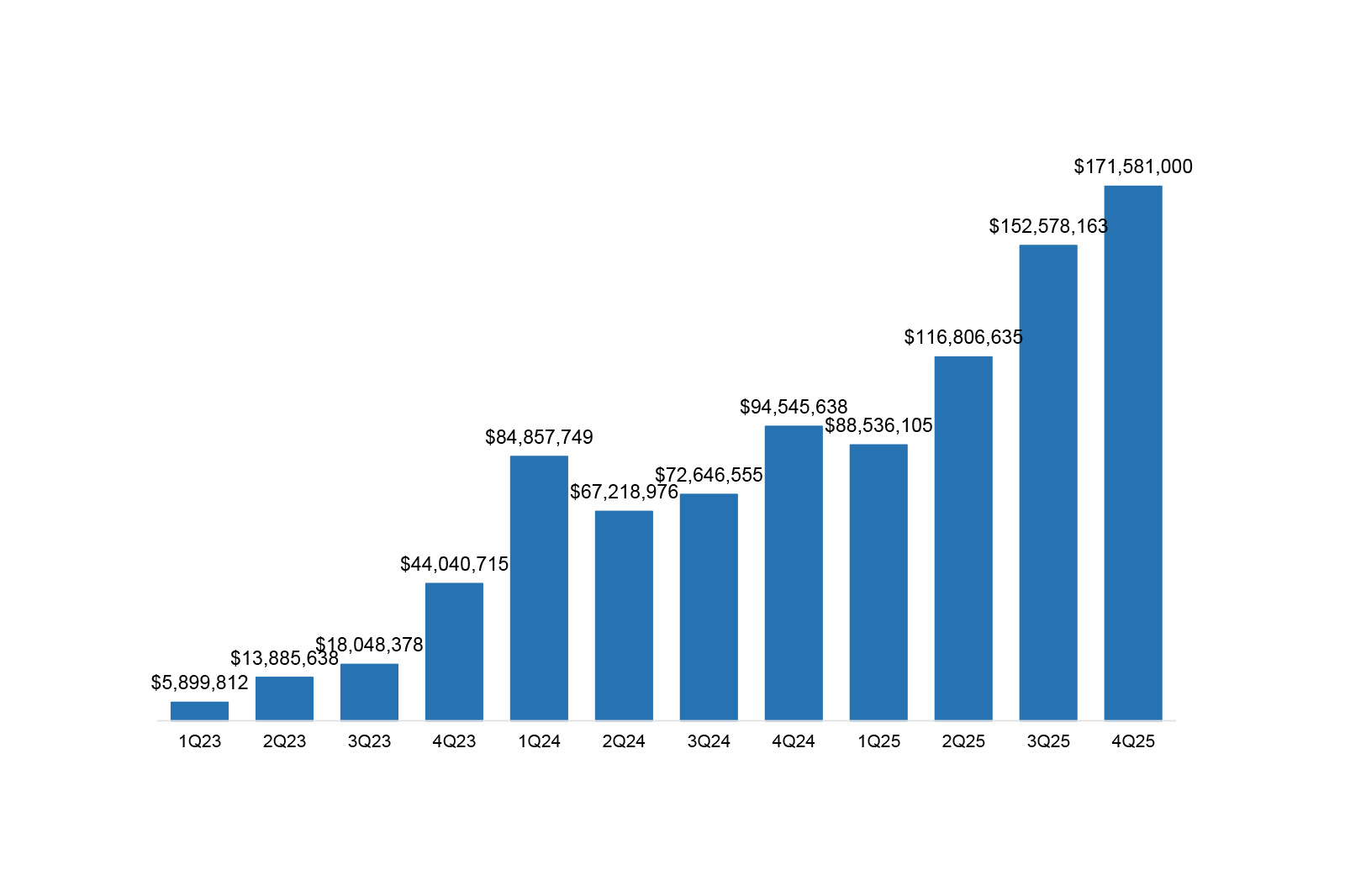
A recent trend in wristwatch retail is the growth of so-called Certified Pre-Owned services – from the likes of Rolex, IWC, Jaeger-LeCoultre and more. These are essentially secondary market watches that have been serviced and certified by the original manufacturer, essentially re-entering the market as a vintage watch being sold almost as if it’s a new watch. There are both positives and negatives to this system from an investment perspective. The extra guarantee and security of the services and renewed warranties is great for protecting your investment. However, it comes at a heavy premium compared to a pre-owned watch that hasn’t been certified, increasing the intial cost significantly without, at the moment, evidence that they hold onto that extra value over time.
Liquidity

As we’ve noted, the volatile state of the secondary market means that being able to capitalise on growth quickly is very useful. By which I’m referring to liquidity, or how long it takes for a watch to sell once you decide to put it onto the market. Unfortunately, it’s not a metric that many retailers consider because a sale is a sale no matter how long it takes. But for the average enthusiast who might hold a watch for a couple of years before selling it in order to buy another one when they want a change, being able to act quickly is a boon.
That tends to mean understanding which watches there’s demand for by examining collector sentiment and trends. As a base line, small or unproven brands, undesirable colours and configurations as well as materials can stop a watch from selling. Somewhat unexpectedly, watches with lots of models available already can also struggle against the weight of competition.
Secondary Market Price Performance
While the decision points we’ve discussed so far might inform where and what type of watch you want to buy for investment purposes, ultimately an investment comes down to two statistics: how much you buy a watch for and how much you sell it for, both of which are dictated by their price performance on the secondary market. There are a lot of tools available to help track market data. WatchCharts, Watch Analytics, Chrono24 and Watch Finder & Co. all publish useful sales data and information about the performance of specific models.
Resources like this are great for identifying the references you should be looking for, or double checking if an offer you’ve received is close to the current average you should expect. Helping to avoid outliers and bad faith sellers/buyers. Most of them also offer comparison tools allowing you to check materials, references and many other details that might affect the performance of a watch.
With that in mind, let’s look at some case studies:
High-End: Rolex Daytona Ref. 116500LN
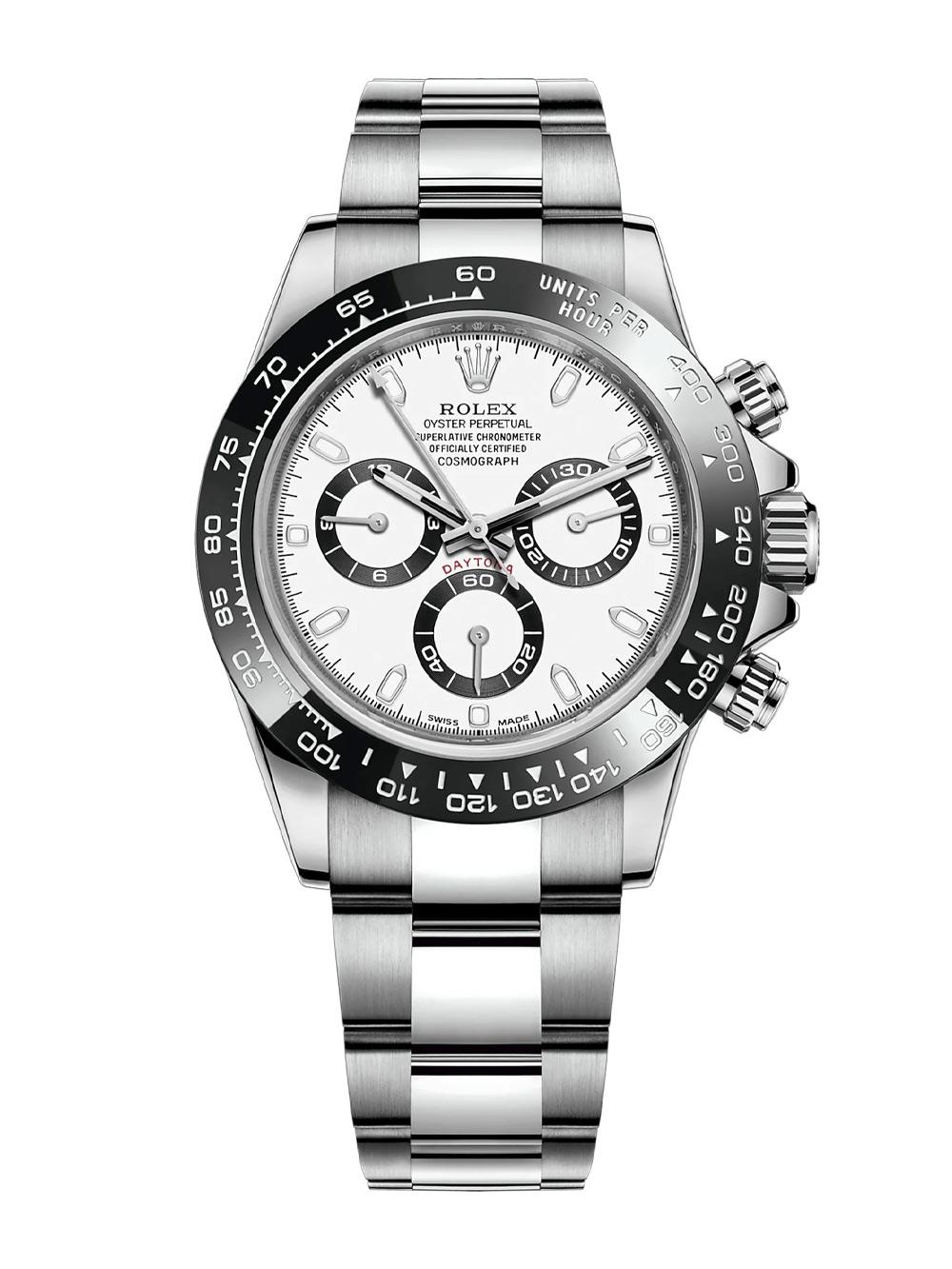
One of the watches that comes to mind quickly when thinking about watch investments is the Rolex Daytona. It’s one of the most celebrated watches of all time thanks to its heritage, prestige and high specs. However, across the 2023-2026 period, it has seen a decline of 12.84% according to Watch Analytics, which represents an actual change of -£3,501 from £27,954 to £24,363 (which is corroborated by a quick scan for the reference on Chrono24 where the average price sits on a range of £21,000 – £27,000). However, the story is more complex than that. While the Daytona was affected by the initial decline across 2023 and 2024, the price recovered significantly in 2024 before starting to decline again from September 2024 – February 2025. Since then, across the past 10 months, there has been a slow and steady recovery.
It demonstrates that the Daytona is actually one of the most resilient models around, seeing periods of recovery that aren’t seen in other watches during the same period. The cause of this is likely that people are actively investing in Daytonas, so when the prices drop to a certain point, people snap them up, which drives the prices back up.
Conclusion: Resilient but purchase price matters.
High-End: F. P. Journe Chronometre Bleu

As a case study on the incredible rise of independent watchmakers in the past year, the Chronometre Bleu by F. P. Journe has seen a secondary market increase of 43% since the start of 2025, rising from £64,842 to £92,925, according to Watch Analytics data. A search on Chrono24 suggests that might even be a conservative estimate with the watch listed consistently at above the £130,000 mark. That’s more than triple its retail price, which is approx. £34,000.
As we discussed earlier with respects to independent watchmakers, a large part of their desirability comes from their low production quantities, exclusivity and supreme quality. Only 100 Chronometre Bleu watches are created each year and while it might be frowned upon, there are people willing to pay a premium not to have to wait multiple years for the chance to own one.
Conclusion: Independent and exclusive.
Mid-Range: Girard-Perregaux Laureato Ref. 81010-11-431-11A
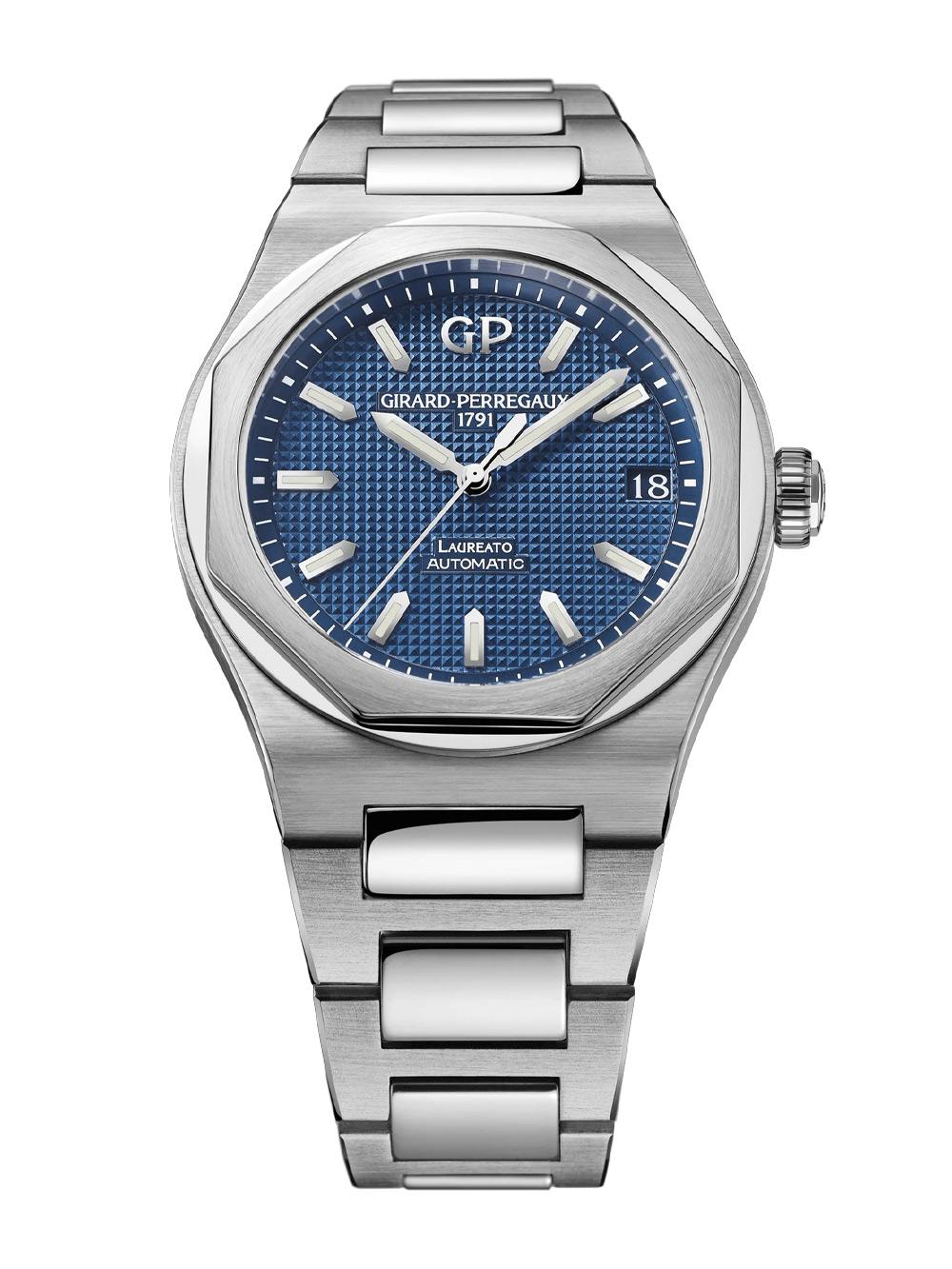
Where the Daytona and Nautilus already have reputations as investment watches, a timepiece like the Girard-Perregaux Laureato is a perfect example of the investment story seen more widely across the watch industry. As we mentioned with price brackets earlier, it sits around the 10k mark, where there is significantly less optimism in market strength. From 2023 to 2026 Watch Analytics reveals it has dropped from £11,184 to £6,800, a drop of 39.2%. On Chrono24, you can currently find examples between £5,000 and £8,000 but the majority are bang on that mid-£6,000 mark, meaning you should question why an offer might be higher or lower than expected.
The same story is witnessed to varying degrees across models like the Omega Speedmaster, the Tudor Black Bay, the Hublot Classic Fusion, the Zenith Chronomaster, the Jaeger-LeCoultre Master Control. In short, if you already own a watch like this, it’s likely time to batten down the hatches and hold on to your investment rather than selling. Conversely, with prices at their lowest this decade, it’s a pretty good time for collectors who want to buy watches they are passionate about because they are more accessible. Similarly, with the potential for recovery in future, it might not be the worst time to get onto the ladder so long as you’re planning long term.
Conclusion: Good buyers’ market, poor short term.
Accessible: Hamilton Khaki Field Auto Ref. H70455533
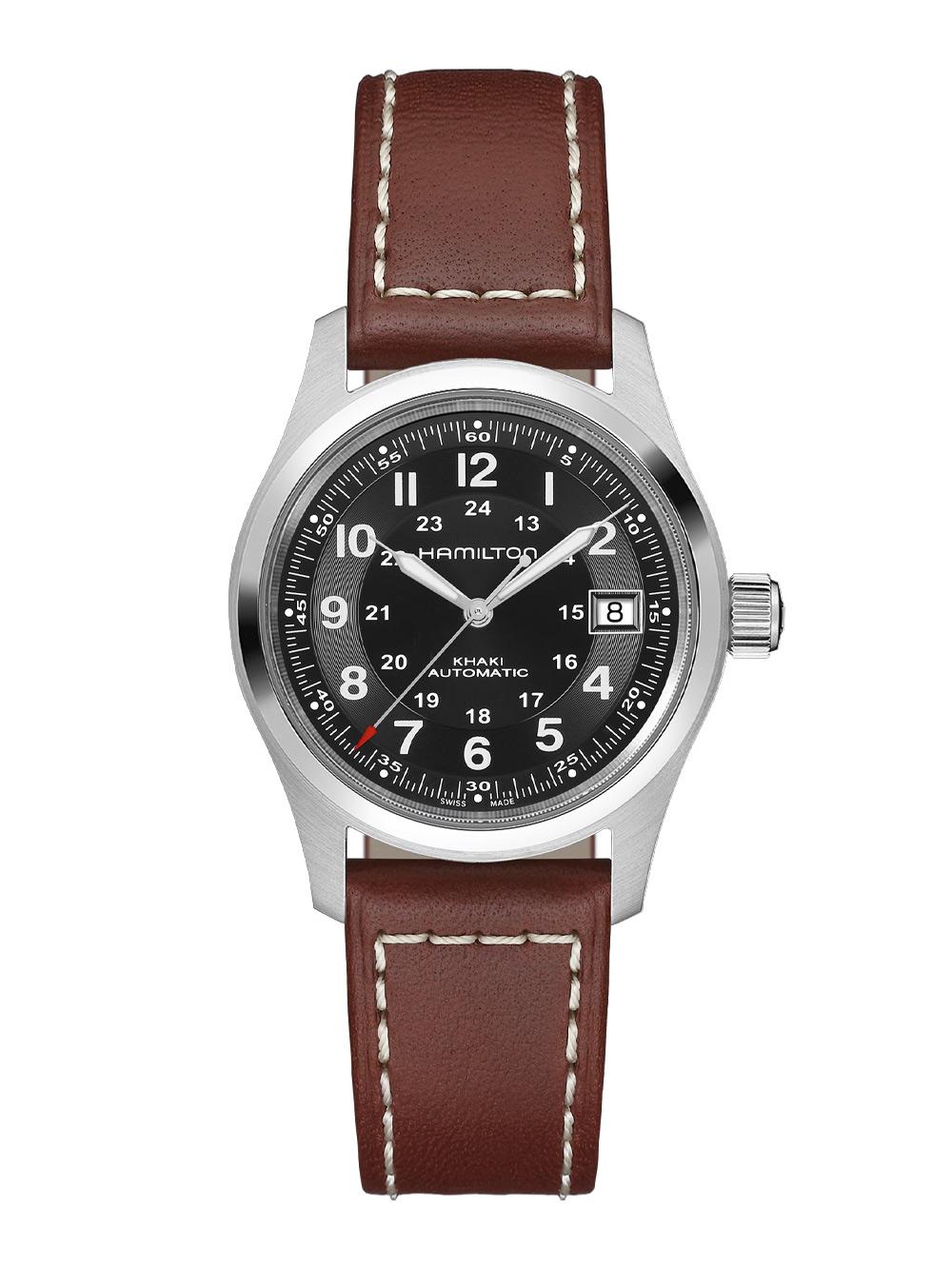
The Hamilton Khaki Field Auto is one of the brand’s best selling watches, very popular for its combination of accessibility, robust daily wear utility and field style. However, an investment watch it is not. According to WatchCharts it has a 36% value depreciation from primary sales to secondary. Not to mention that the secondary price specifically has dropped 13% in the last year to reach £331.
Talking more generally, hyper accessible watches are not really the area we traditionally associate with investment for several reasons. They tend to be more susceptible to breaking, careless scratches and such wide availability that there’s very little reason not to buy them at retail if the asking price is above retail. There are exceptions though.
Conclusion: Availability and accessibility mean the market is too competitive.
As is always the case when it comes to purchasing watches, you should approach it from the perspective of buying the watches you love first and foremost. If money is a concern, then doing your research to mitigate risk is of course sensible. But ultimately, these are companions for your day to day life and you should be happy to wear them.


Sadly excluded from Thierry’s Christmas Card list, I’m unlikely to enjoy access to watches that outperform the market over a couple of years, let alone the opportunity cost of compounded interest over a couple of decades..
Watch buying for me is more of a philanthropic endeavour than a path to financial gain. I’m investing in joy, enlightenment, and wonder (at least, that’s what I tell the Mrs).
I do, however, limit the damage by foregoing the AD’s perfunctory glass of champagne, and instead opt to buy pre-owned. Whilst the bubbly is nice, it’ll cost you £1000 a glass in depreciation. Save your money, kids – buy neo-vintage from Japan!
Interesting review, however, this must be aimed at the wealthy collector, primarily as the only watches likely to increase in value are the high end watches, and, it you can afford these, you are somewhat unaffected by the ubiquitous “highs and lows” of the financial sector, and, let’s all remember that the banking crisis and general impact of that crisis in 2008 was, primarily due the the financial whizzkids getting things wrong and backing the wrong horse. Mentioning this is not necessarily to blame these bankers, but to illustrate the fact that nobody always gets things right, and, to qualify the statement by saying that you should only buy something because you love it, as a potential investment piece only, you take you own risks.
In terms of the man in the street watch collector, we buy watches that we like, and to wear these as a testament to the maker, but primarily because we do actually like these items rather than them sitting in bank vaults until the value rises, as said, a risky and usually long term punt.
WRT the question of a single high cost watch Vs multiple lower cost watches, I guess this depends on your financial standing (we would all like an expensive “best” watch, but can’t all necessarily afford one, and if you can, then you will more than likely have multiple high end high cost watches anyway), so, it’s a balance, how many people own a single high cost watch and then wear it when they are gardening? – balance is the answer here.