Nivada Grenchen Antarctic Diver
For the past few years, it seems since COVID-19 and the rise – no booming – of new independently owned watch brands, we, the global watch community, have not been able to agree what makes a microbrand, an independent brand, and what differentiates one from the other. Many definitions have been suggested, definitions based on economics, number of employees, means of production, and even singularity in design. From any or all of these factors, one could point to any brand like Lorier and declare, with a relative degree of confidence, that this one is a microbrand, but pointing at another one, for example Baltic, that it’s an independent brand but not a microbrand. Many brand owners do not know how to categorise what they do, but they certainly do not like to be defined as being anything ‘micro’.
So, today we’re going to revisit this question and try to shed some light on what constitutes a microbrand, an independent brand, and discuss those which blur the lines between the two. And as a caveat, when I use the word ‘independent’ here, I don’t mean the auction headlining likes of F.P Journe, Roger Smith, and those upper echelons of watchmaking. There’s no question what makes those guys different. Instead, I’m talking about the smaller, agile watch labels that are out there on their own.

Christopher Ward manufacture
First things first, a microbrand can be an independent brand and vice versa on account of its ownership status: in theory, either one operates independently from any group or consortium, meaning they can make their own decisions and don’t have stakeholders to answer to. That is especially true of brands like Traska or Second Hour we generally categorise as being microbrands because it is understood that they are run by a small team, generally one or two people, and therefore privately owned. In my experience of having worked with over 200 ‘micro’ and ‘independent’ brands over the past four years, typically they are run by two friends or a husband-and-wife team using their own money, savings, or by taking up a loan from a bank. They don’t solicit the help of investors and their success or demise would only affect them. But here already there are independents that can mask the truth: they present themselves as being the brainchild of one particularly gifted creative person, while in reality they are financially backed by someone else. Guillaume Laidet’s Nivada Grenchen and Vulcain come to mind.
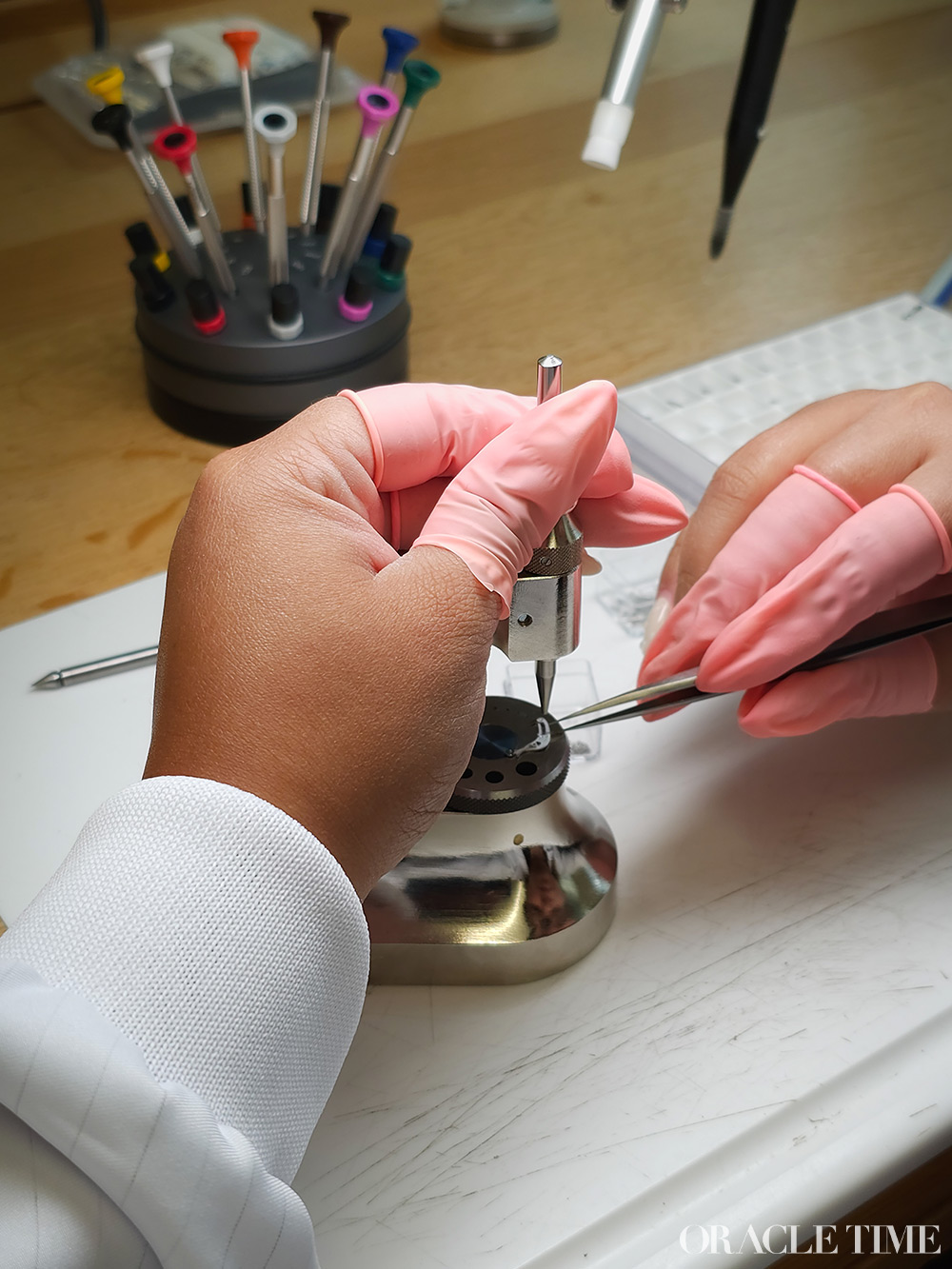
Second, and what is easier to define and perhaps to agree upon, relates to production. As far as I know, microbrands never own their means of production. In other words, they send designs to their manufacturing partners, which are located in the same country as they are or abroad, receive the watches, either assembled or not, QC them or not, and then ship them out from their legal place of business. That is true for many brands from Monta and Montoir to Praesidus and Vaer. So, microbrands don’t manufacture any watch parts or components, but are merely designers and visionaries, who define and refine their vision for a collection through technical drawings they outsourced and through providing feedback on prototypes they haven’t fabricated themselves. (There are of course exceptions to these rules).

Formex Essence 41 Space Ghost

Conversely, independent brands can be defined as being able to manufacture some of the parts making up their watches, for example bridges, dials, and hands, as it is the case of Formex and Christopher Ward, while some of the other parts are outsourced from external partners to complement the final product. Given just how hard it is to find some of these things out however (some brands can be less-than-transparent) there’s still some nuance here. For example, there are brands that present themselves as being independent because they claim to manufacture some parts, while in reality they may be working with a manufacturer that makes certain parts exclusively for them. This is the ‘in-house problem’, where brands essentially pick from a catalogue and change the rotor. For those with a bit more money, they can do the same by actually acquiring their historical manufacturing partners. Hello Rolex.
It’s a careful line to tread. Would you rather be a young, scrappy microbrand offering tried and tested third-party stuff for a fair price? Or would you rather be the young and scrappy independent, showing the traditional watchmakers how it’s done? Both have their cache, and often one will transition into the other (invariably in one direction) as they desire more control over their manufacturing process. But given the sheer increase in intensity when you move from ordering to building, easily available to exclusively yours, it’s a line many a brand just won’t want to cross. Who wants to have to convince collectors that the funky design they love is going to be more expensive because it now has a slightly more refined clasp?

RZE UTD-8000
Third, there is the question of design. And that’s a highly subjective one. Microbrands are often and unjustly categorised as lacking originality because they don’t manufacture anything. In other words, some folks in our industry equate singularity in design with owning the means of production, which doesn’t really make sense. A brand can get everything custom-made externally for them in order to bring their singular vision for horology to fruition (RZE). Conversely, an independent brand can make all of its parts in-house – literally everything from the dial and hands to the mainplate and balance spring — but can be about as inspired as a new Submariner colourway. Just look at any of the self-proclaimed high-horology houses that use the same Urban Jürgensen handset or Breguet numerals.
A big part of the difference here is why they’re making watches. Independent watchmakers can already build the pieces, so often use their watches to flex what they can do from a manufacturing standpoint. In short, technical over aesthetic. Microbrands come at it from the opposite side of the equation. They saw a hole in the market for a watermelon-coloured watch, got it made in China and made it one of the biggest success stories in branding. While I could write hundreds of pages on the logical recycling of watch design elements throughout the decades, it is possible for a microbrand to be more creative than an independent brand, while the former cannot do, from a technical standpoint, what the latter does.
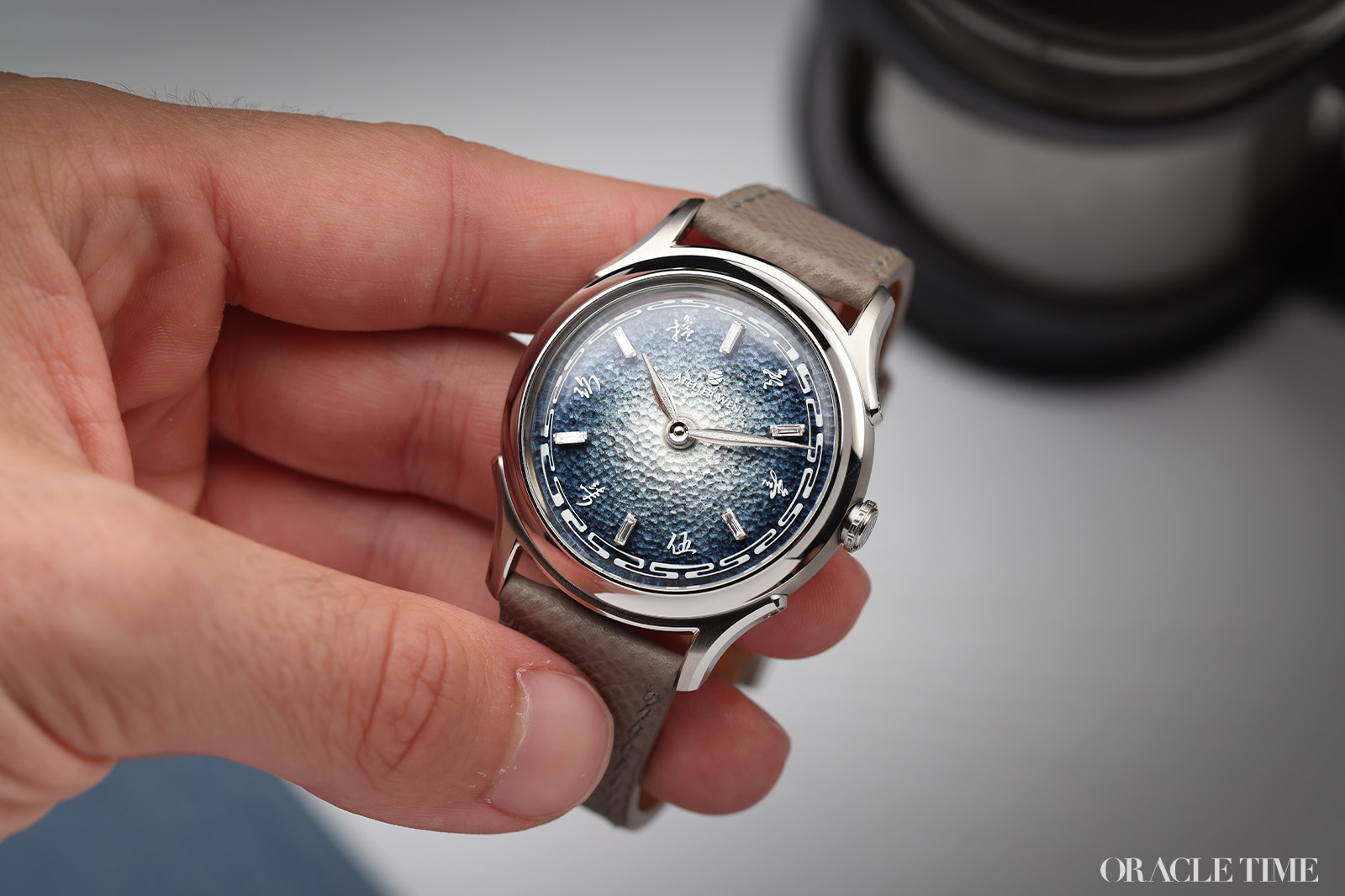
Atelier Wen Ancestra
A fifth and last point could be made about prices. While everything we believe and think is in flux at any time, one of the commonly agreed characteristics which defines a microbrand is the relative affordability of its watches, generally below or at the £500 price point, and typically not above £1,000. Microbrand equals microprices. And so independent brands tend to sell watches between £1,000 and £5,000 – Christopher Ward, Atelier Wen, and others. Independent watch brands don’t build as many watches as the factories that pump out endless microbrand parts, and scales of economy are irrefutable. But that individuality of production is, in many ways, well worth it. No matter whether we’re talking about microbrands or independents, these days value is key.
So yes, while there are certainly some blurred lines between what constitutes a microbrand and a fully-fledged independent, there are some key takeaways. The typical microbrand doesn’t make anything and outsources its quirky designs and sells at impulse buy prices. Independents tend to make at least part of what they do, the amount varying from brand to brand. Their price points are slightly higher and designs are often less… out-there.

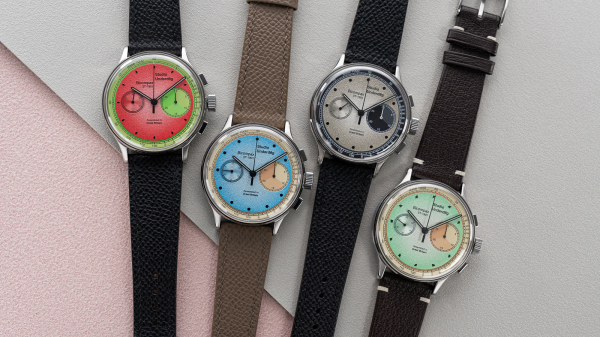
Studio Underd0g 02 Series Manhattan
But honestly, a hard-and-fast line isn’t the point here. The point is that sure, there are defining characteristics, but both are more than welcome. Both microbrands and independents play more often than not at the accessible end of the horological spectrum. Both offer different outlooks to the larger groups and established brands and both offer some incredibly cool watches that we otherwise wouldn’t have. Even if the debate around definitions continues, that does not.